In this article
An outdoor faucet that freezes rarely fails where you can see it. The pipe splits inside the wall, and you find out in spring, the first time someone turns on the hose and water runs into the basement. Winterizing takes about fifteen minutes per faucet, and in Michigan the time to do it is October, before the first hard freeze.
Why outdoor faucets freeze and burst
Water expands when it freezes. If a faucet or the short pipe behind it is full of water when the temperature drops into the twenties, the ice has nowhere to go and the pipe or the faucet body cracks. The leak only shows up when the ice melts or the faucet is used again, which is why this is a spring surprise more often than a winter one.
Step 1: Disconnect every hose
This is the step that matters most. A hose left attached traps water in the faucet, and it defeats even a frost-free faucet. Disconnect hoses, splitters and timers, drain them, and store them inside.
Step 2: Find the inside shut-off valve
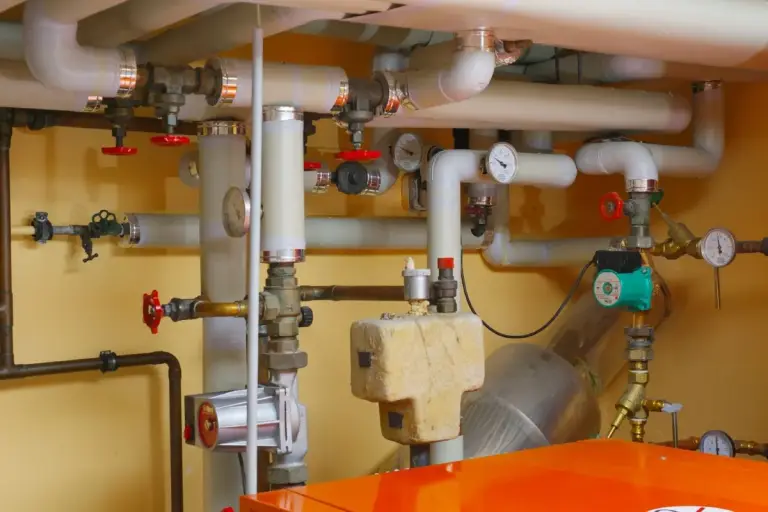
Most Michigan homes have a separate shut-off valve for each outdoor faucet. Look in the basement or crawl space, on the pipe that runs toward the outside wall, usually within a few feet of where the faucet is. Turn the handle clockwise until it stops. A lever handle is off when it sits across the pipe.
Step 3: Open the outside faucet and let it drain
Go outside and open the faucet fully. A little water will run out and then stop. Leave the faucet open for the winter so any water that gets past the valve can drain instead of freezing in place.
Step 4: Drain the line from the inside
Many inside shut-off valves have a small brass cap on the side called a bleeder. Hold a cup under it and loosen the cap. The water trapped between the valve and the faucet drains out. Tighten the cap again when it stops.
Step 5: Insulate what you cannot drain
If a faucet has no inside shut-off, an insulated faucet cover from the hardware store is better than nothing. It slows the cold down. It does not make the faucet freeze-proof, so it is worth having a shut-off valve added before next winter.
What about frost-free faucets?
A frost-free faucet, also called a frost-free sillcock, shuts the water off about a foot inside the house, where it is warm. It still needs the hose removed. With a hose attached, the long stem stays full of water and splits just like an ordinary faucet. Many of the burst faucets we replace each spring are frost-free models that had a hose left on.
Common questions
When should I winterize outdoor faucets in Michigan?
Before the first night in the twenties. In Macomb County that usually means by the end of October. If you are reading this after a freeze, do it now anyway.
How do I know if a faucet already froze?
In spring, turn the faucet on while someone watches the pipe inside the basement. Low flow outside, or water dripping inside the wall or from the ceiling below it, means the pipe split. Shut the inside valve and call a plumber.
Should I leave the outside faucet open all winter?
Yes, once the inside valve is closed. An open faucet lets leftover water drain and gives ice room to expand.
If you cannot find a shut-off valve, or one is stuck or leaking, we can add or replace it. Read more about how we handle frozen and burst pipes, or call (586) 943-4158 for a free estimate.